Goal-Focused Build
Autonomous Robotics Lab
Build robots that sense, decide, and respond to their environment.

Assemble, wire, program, test, and improve intelligent machines.
Skills your child will build
Tools & concepts
Specialized Tracks
Each track is a focused, goal-oriented learning journey led 1:1 by an expert tech educator.
Build robots that sense, decide, and respond to their environment.
Design, build, program, and test robots to solve real-world engineering challenges.
Curriculum & Mastery
A step-by-step visual progression from fundamental concepts to building real-world portfolio capstones.
Stage 01 Core Foundations
Understand current, voltage, breadboarding, resistors, LEDs, capacitors, and microchips.
Learning Plans
Select your child's grade to view transparent regional pricing for our progressive learning tiers.
Explore a new skill
Build strong fluency
Create portfolio projects
Reach your highest potential
Why This Course
Lifelong cognitive advantages, creative agency, and future-ready fluency developed step-by-step.
Kids see their code drive real motors and respond to the physical world, making engineering deeply exciting.
Develops genuine mechanical, electrical, and computer science skills through real hardware prototyping.
Hardware debugging teaches students patience, physical troubleshooting, and the joy of iterative improvement.
Questions Parents Ask
Robotics is a live, 1:1 online STEM & Discovery course for students in grades 1-10. Assemble, wire, program, test, and improve intelligent machines.
Robotics is for students in grades 1-10. Within the course, each child is placed by what they already know rather than by grade alone, so they are never rushed ahead or held back.
No. Robotics is open to all levels. Each child starts at the module that matches what they already know, so complete beginners and experienced students both fit in.
Your child will build skills in Circuits & Electronics Basics, Microcontroller Programming, Sensors & Environmental Feedback, Motor Drivers & Actuators and Autonomous Navigation Systems. Along the way they work with Breadboards, C/C++ firmware, Ultrasonic sensors, Infrared line followers, DC, stepper & servo motors and Gyroscopes.
Every class is project-based, so children make real things: robots, circuits and automation. The course includes the Autonomous Robotics Lab and Robotics Engineering Challenge tracks.
Robotics is offered in plans of 30 classes (Bud, valid for 7 months), 60 classes (Bloom, valid for 2 years), 90 classes (Blossom, valid for 3 years) and 150 classes (Pollen Master, valid for 3 years). Every plan includes live 1:1 sessions and a personal mentor, and the price depends on the plan you choose and your region.
Robotics (Grades 1-10): Assemble, wire, program, test, and improve intelligent machines. It uses Breadboards, C/C++ firmware and Ultrasonic sensors. Maths (Grades 1-10): Build confidence with patterns, problem solving, and mathematical thinking. It uses Patterns & sequences, Algebra and Geometry. Not sure which fits? A free demo class helps you decide.
Classes are live and online, 1:1 with a dedicated mentor. Courses are interactive rather than a textbook-style syllabus, and are designed by professional teachers with more than 5 years of experience in the same field.
Yes. You can book a free 1:1 demo class for Robotics before choosing a plan. There is no commitment and no card needed.
Robotics Projects
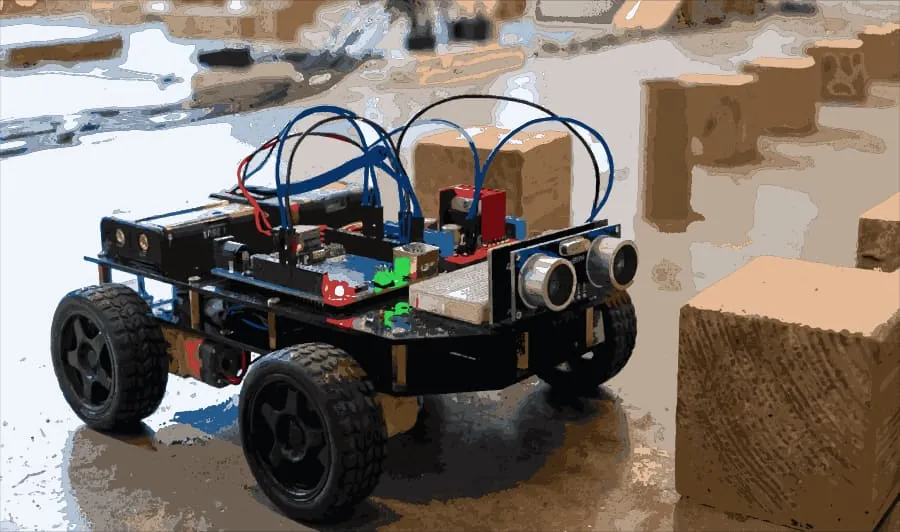
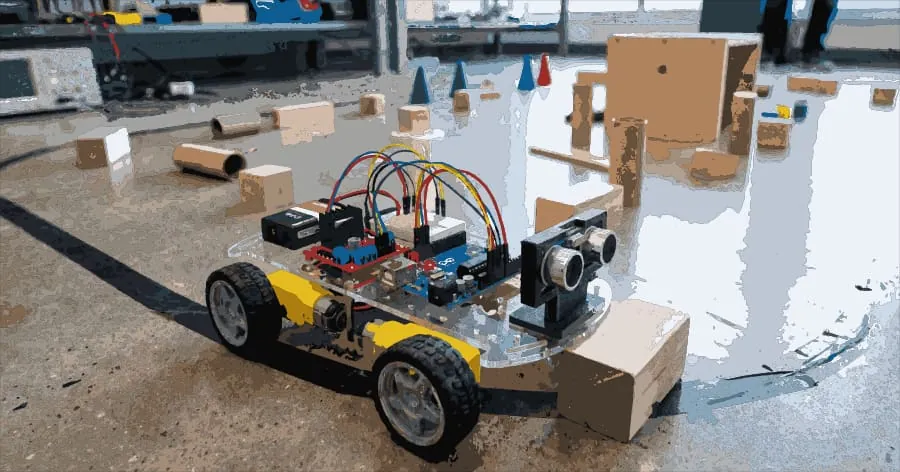
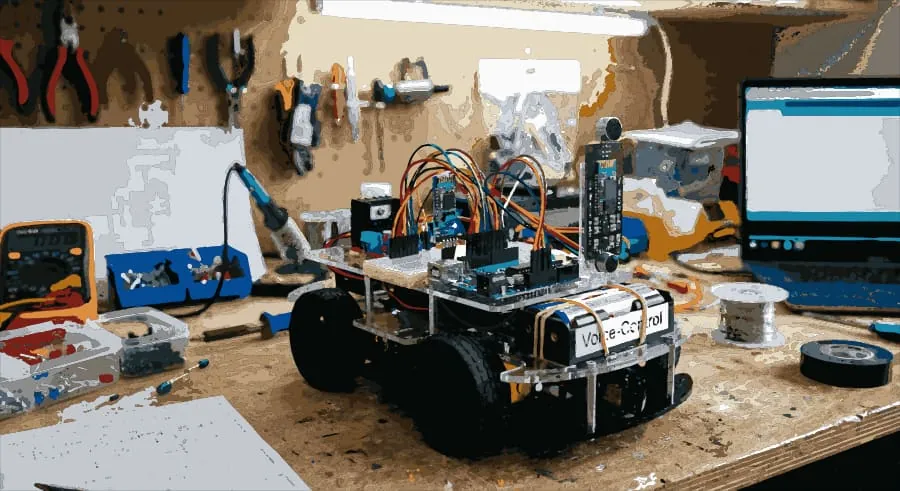
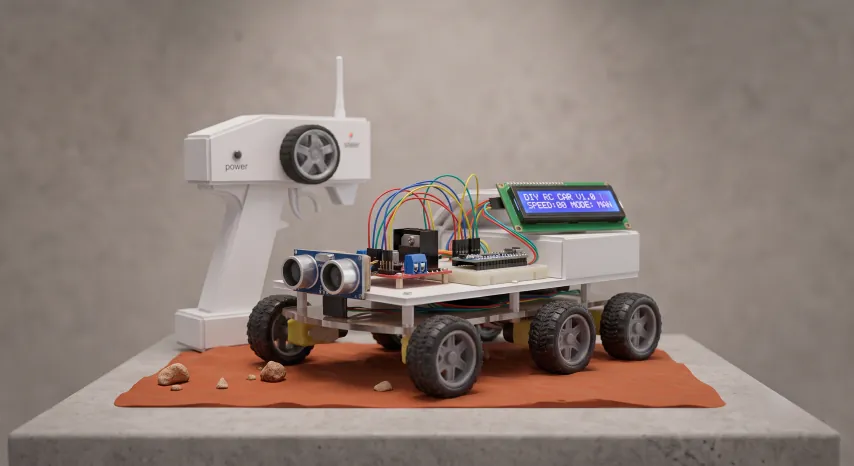
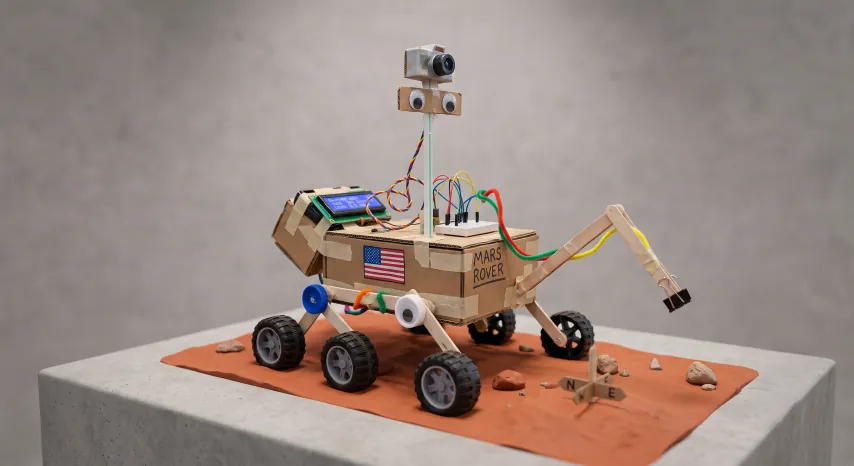
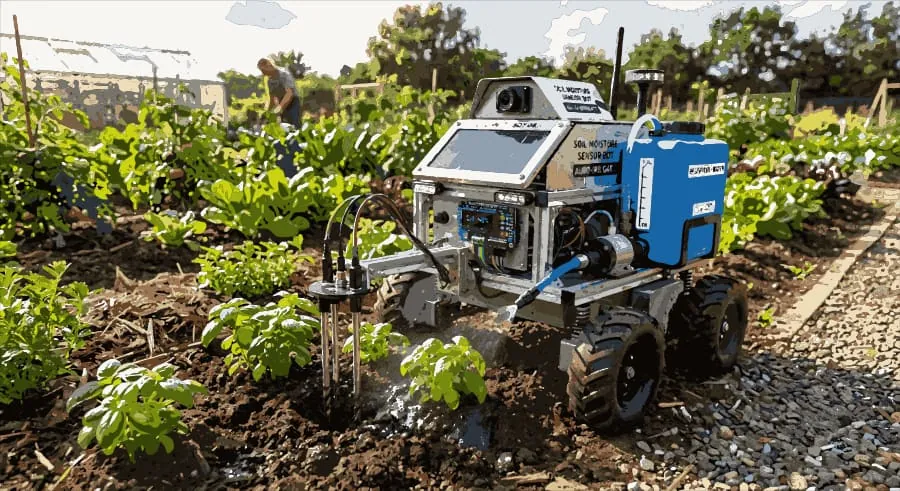
Obstacle-avoiding robots, line followers, a Mars rover: these are the kinds of machines students build in our Robotics course. The images show example projects.
Get Started Today
In a 45-minute 1:1 trial, your child explores how a robot senses and moves, from simple circuits to the code that drives its motors, while the mentor finds the right starting level. Robotics shows how software meets the physical world, and why testing and adjusting matter.


